Young children build early math skills when they count and trace numbers on simple worksheets. Free counting tracing worksheets for preschoolers give them a clear and fun way to practice number recognition, writing, and basic counting at home or in the classroom. These worksheets help preschoolers learn to count and write numbers with hands-on practice that builds strong early math skills.
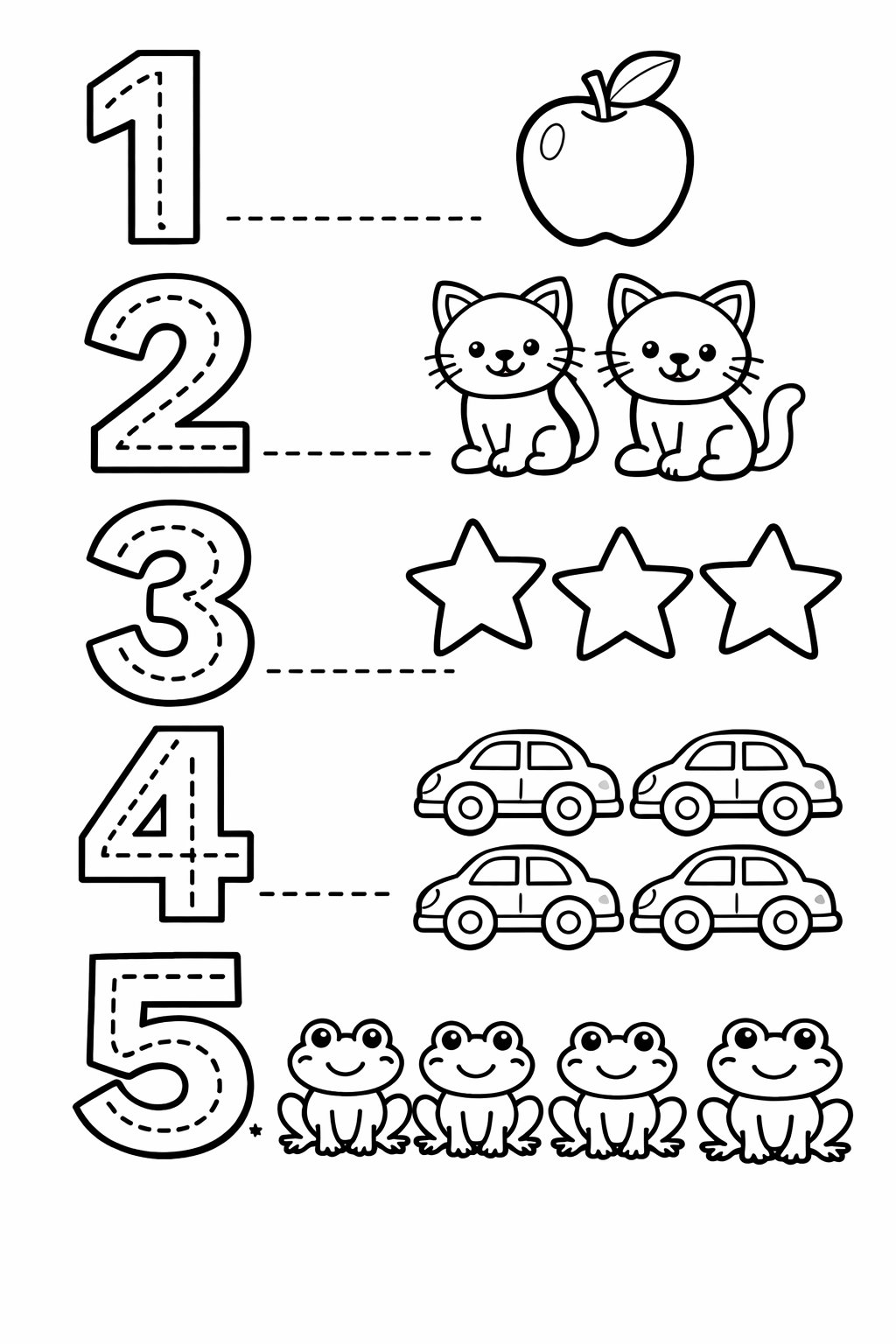
This article explores printable sets that cover numbers from 1 to 10, 1 to 20, and even up to 100 for more practice. It also looks at matching and tracing activities, key learning benefits, and simple tips that help adults guide children through each step with confidence.
1) Number Tracing Worksheets 1-10 for preschool beginners
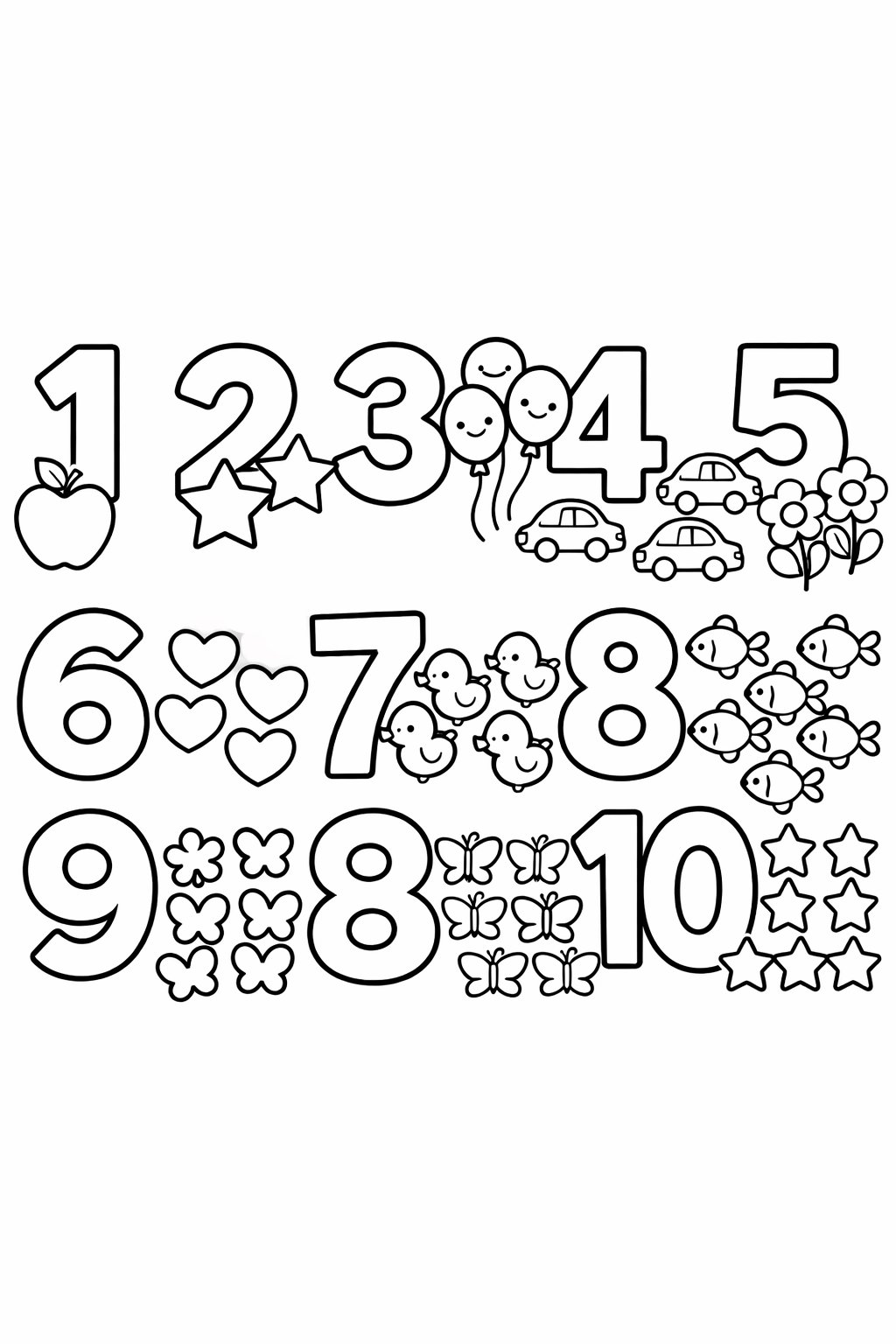
These worksheets help preschool beginners trace numbers 1 through 10. Children build number recognition and pencil control.
They follow clear dotted lines and repeat each numeral.
2) Counting and Tracing Numbers 1-20 printable set
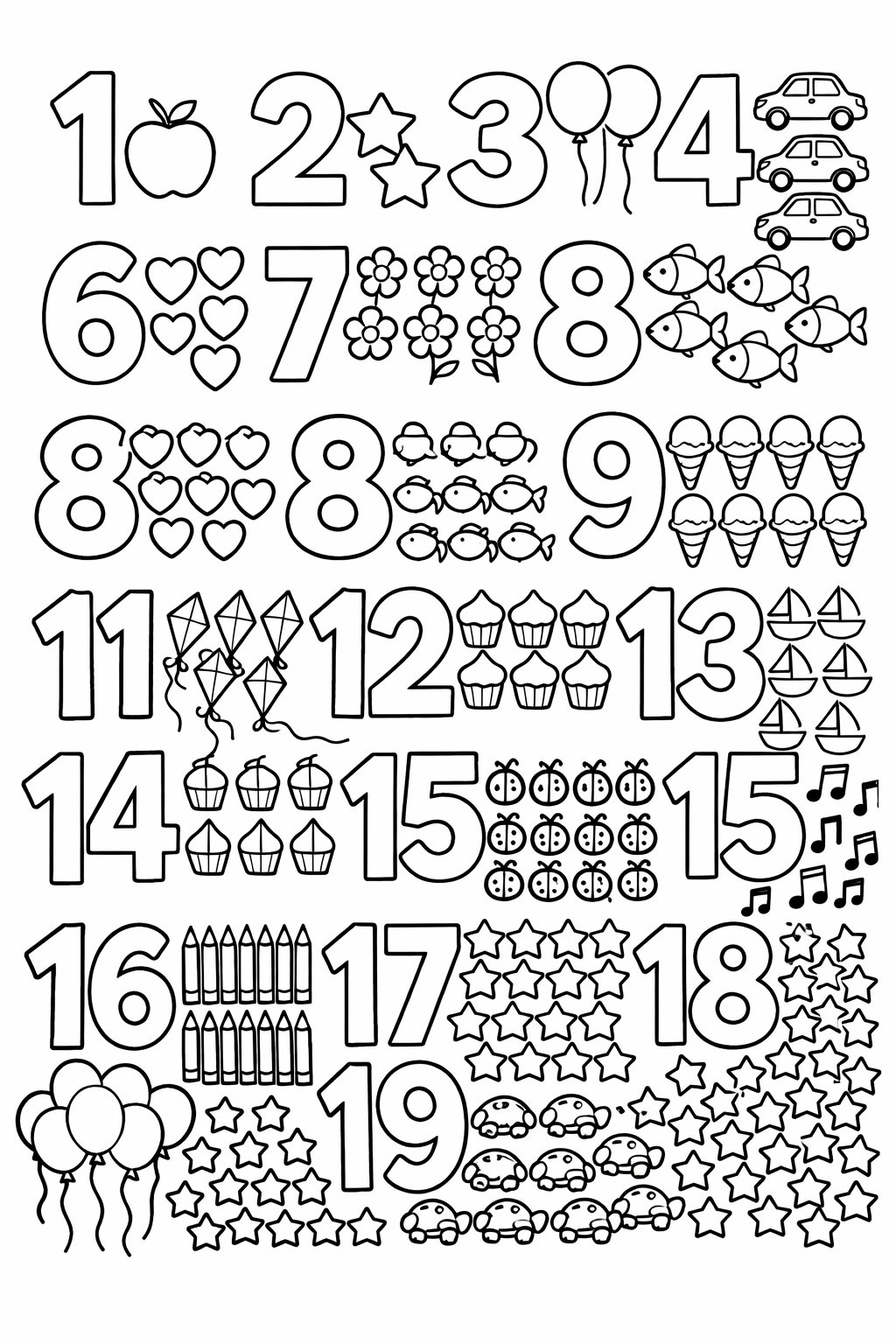
This printable set helps children trace and count numbers from 1 to 20. It supports number recognition and fine motor skills.
Each page gives clear tracing lines and simple counting pictures. It fits preschool and kindergarten practice.
3) Preschool Counting Worksheets with tracing and matching activities
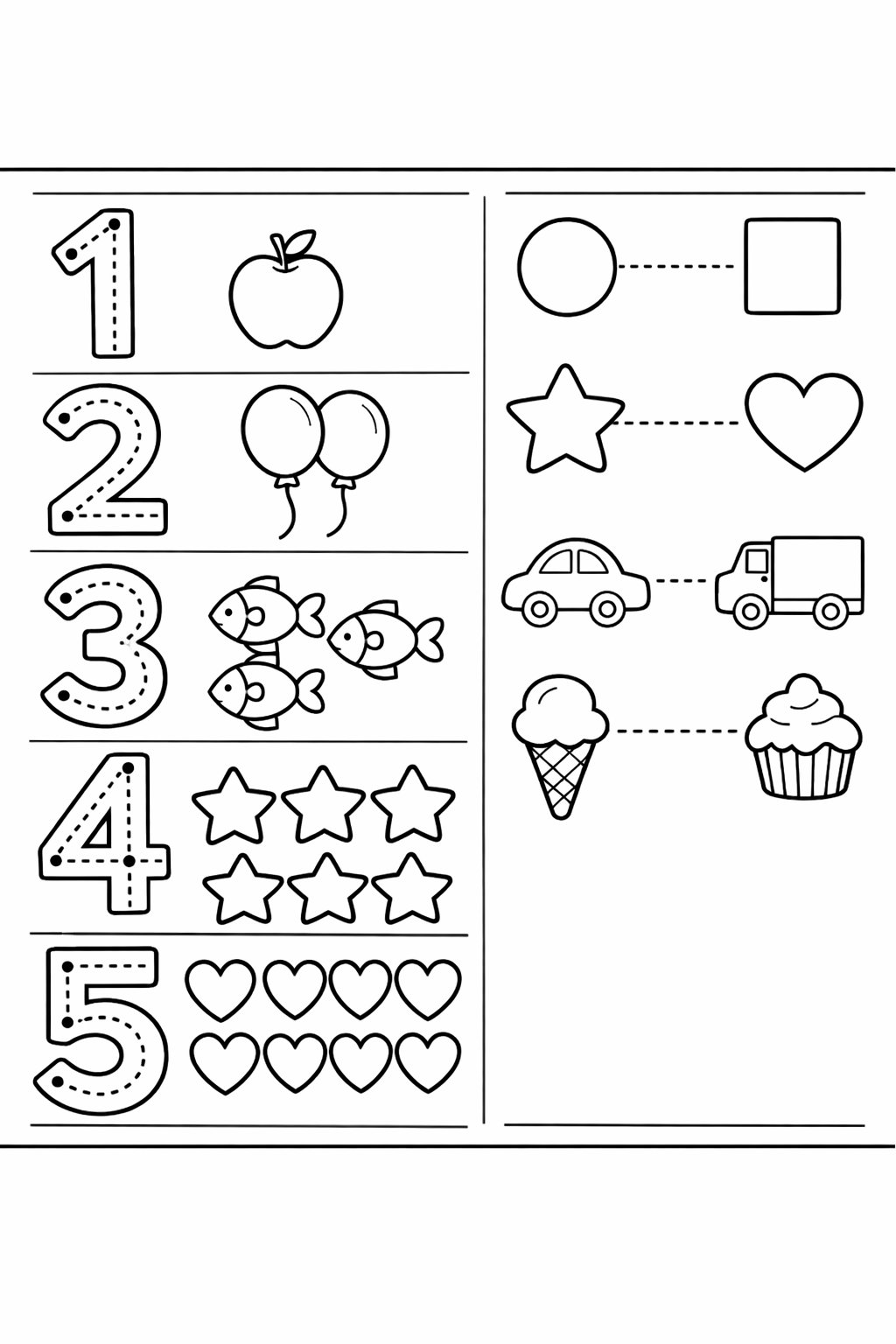
These worksheets build number recognition and fine motor skills.
Children trace numbers and match them to groups of objects.
4) Free Printable Number Tracing Worksheets 1-100 for advanced practice
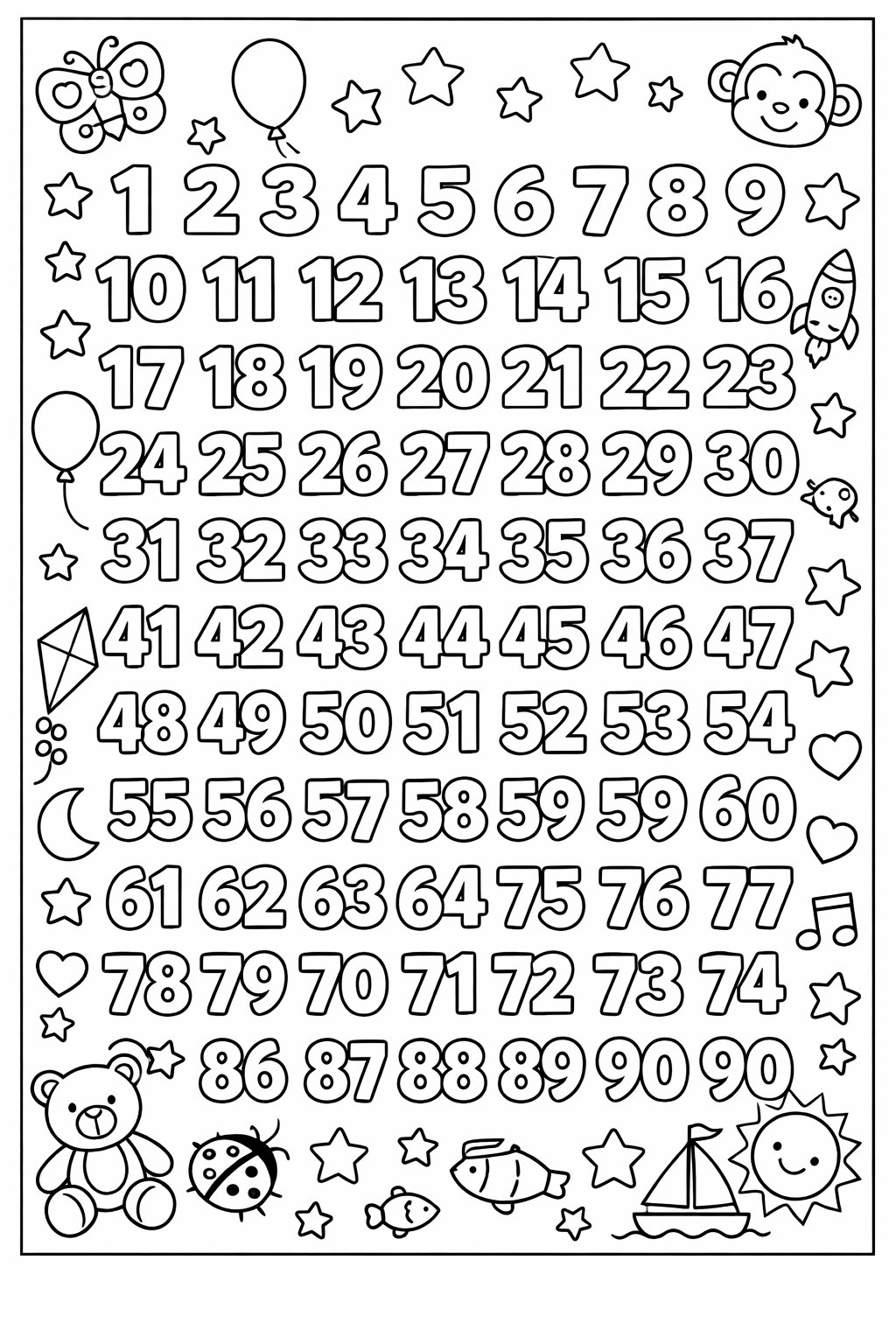
These worksheets guide children to trace and write numbers from 1 to 100. They build steady counting skills and number formation.
Teachers use them for extra practice and review.
5) Counting Worksheets focusing on numbers up to 10 and 20
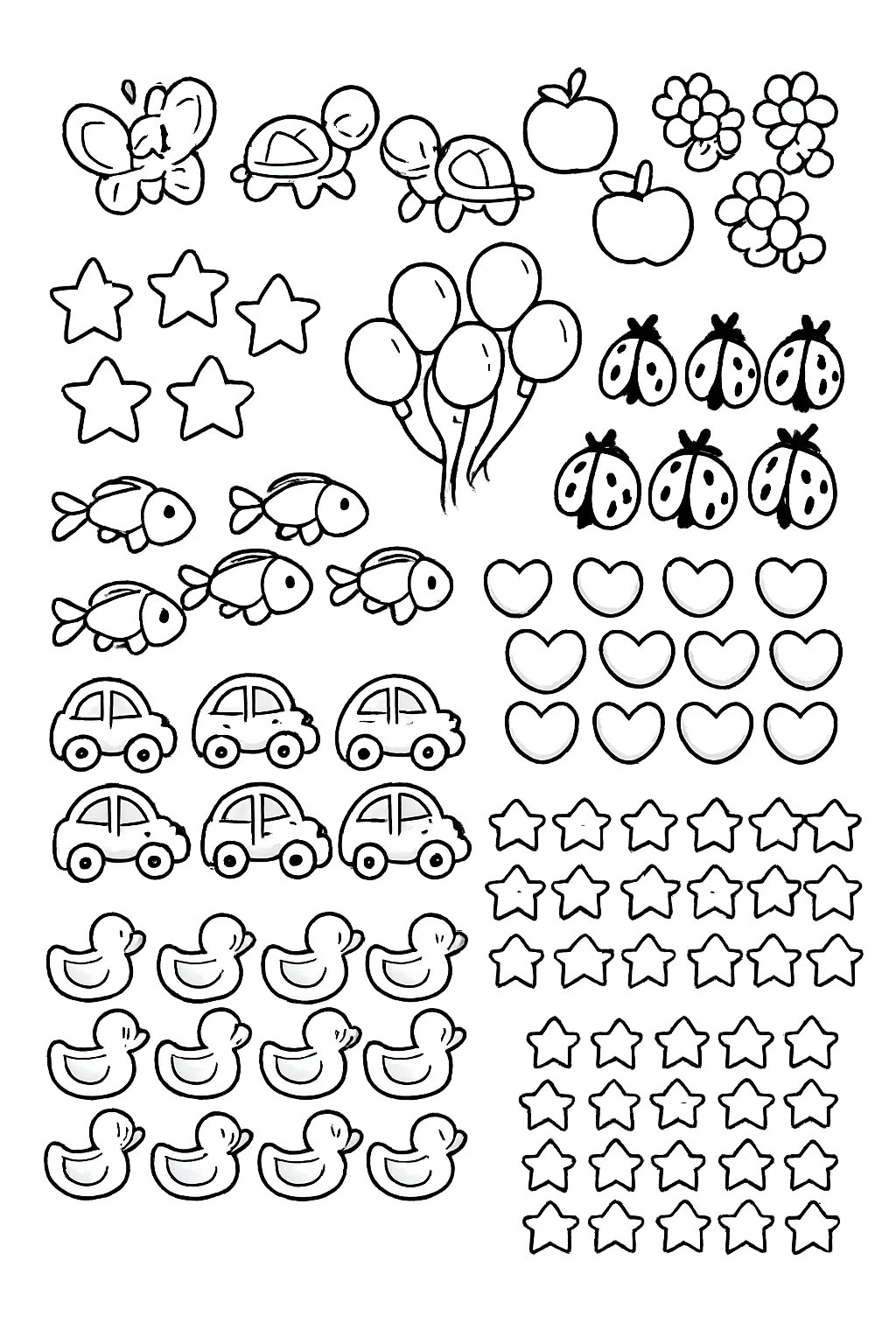
These worksheets help children count and trace to 10.
They also guide object counting up to 20 with care.
Benefits of Counting Tracing Worksheets for Preschoolers
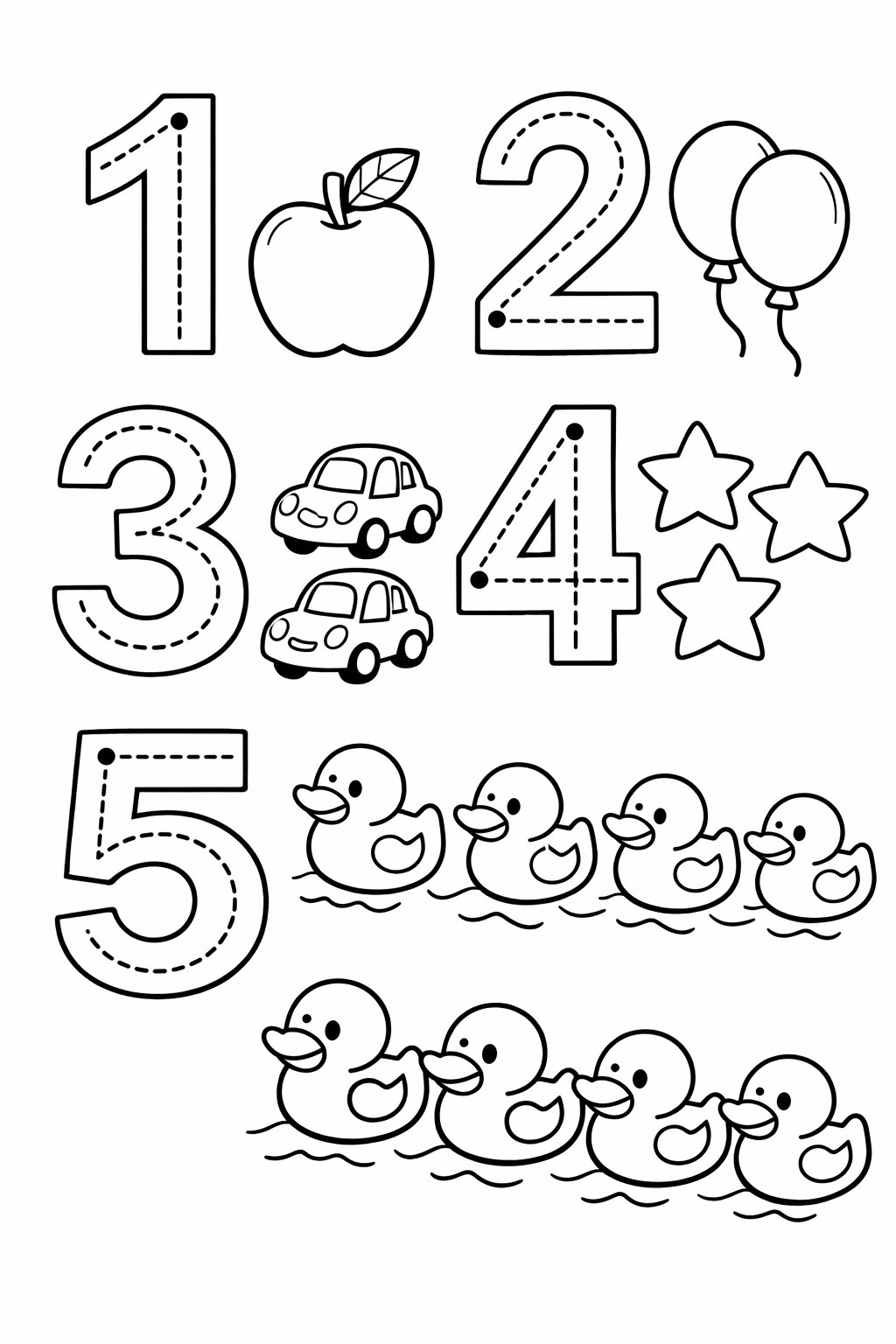
Counting tracing worksheets help children build number skills while strengthening hand control. They give young learners clear practice with numbers through tracing, counting, and simple matching tasks.
Developing Early Numeracy Skills
Counting tracing worksheets teach children how numbers look and what they mean. When a child traces the number 4 and then counts four objects, he connects the symbol to a real quantity.
Many preschool worksheets focus on key early math skills such as:
- Number recognition
- One-to-one counting
- Counting up to 5, 10, or 20
- Simple number order
These activities build a strong base for kindergarten math. A child learns that each number has a place in a sequence. He also learns that each object counted matches one spoken number.
Tracing numbers from 1 to 10, and later up to 20 or higher, supports memory through repetition. Matching, coloring, or circling the correct number adds variety while keeping the focus on counting. This steady practice helps children feel more confident when working with numbers.
Enhancing Fine Motor Coordination
Tracing numbers requires careful hand movement. A child must hold a pencil, stay on the line, and control small motions. This strengthens the small muscles in the fingers and hands.
Strong fine motor skills help with:
- Writing letters and numbers
- Using scissors
- Buttoning and zipping clothing
- Drawing shapes and lines
Many counting worksheets include tracing, cutting, and coloring. These tasks improve hand–eye coordination because the child must watch the line and guide the pencil at the same time.
As children repeat tracing activities, their pencil grip often becomes more stable. Lines become smoother and more controlled. This steady practice prepares them for longer writing tasks in kindergarten and first grade.
Tips for Maximizing Learning with Tracing Activities
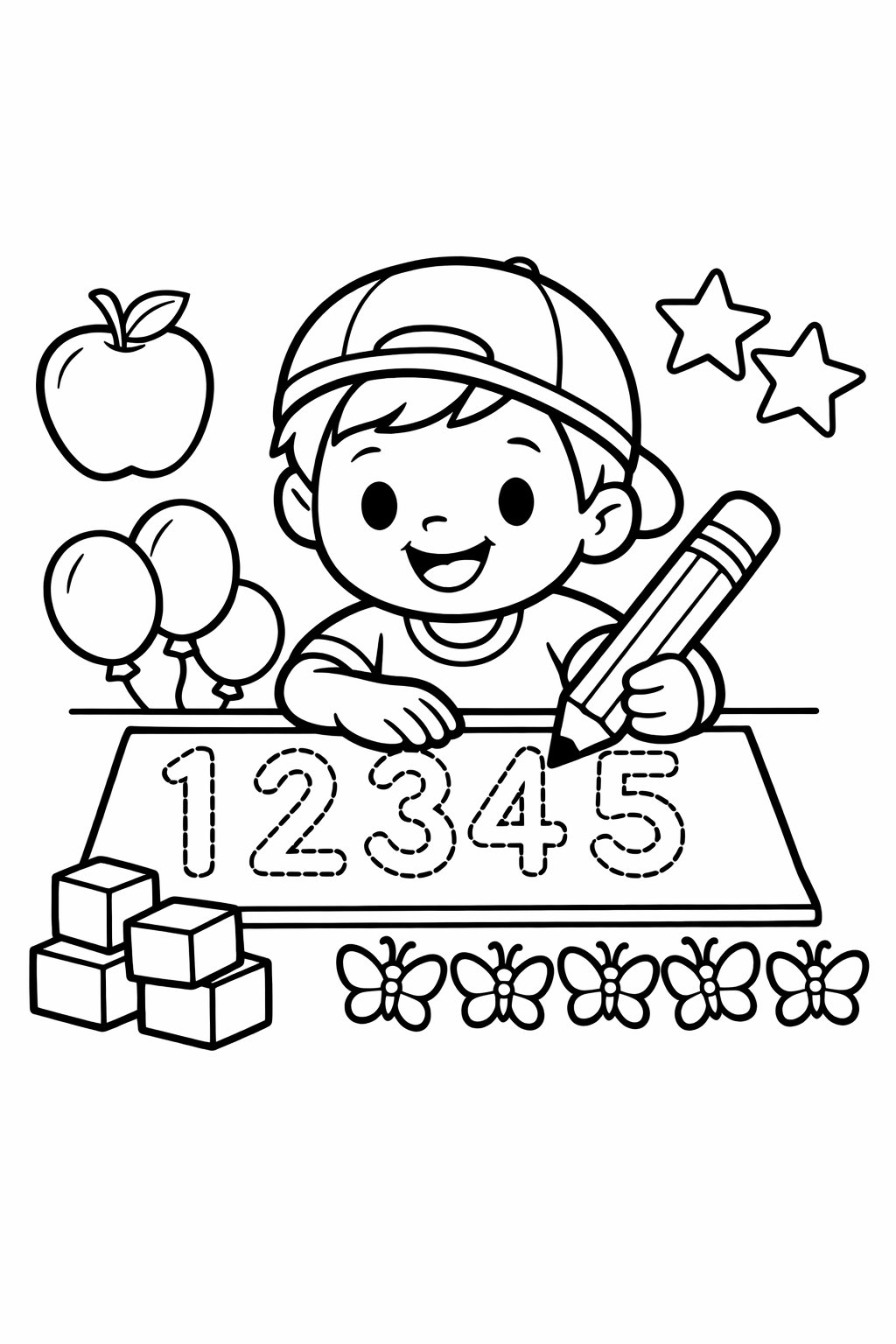
Simple routines and small adjustments can turn basic tracing sheets into strong learning tools. Clear structure and flexible teaching methods help preschoolers build number skills with confidence.
Incorporating Worksheets into Daily Routines
Children learn best with short, steady practice. He or she benefits more from 10 minutes each day than from one long session once a week.
Parents and teachers can link tracing to daily events. For example:
- Trace the number of snacks on the plate.
- Trace a number before counting toys during cleanup.
- Complete one worksheet page before story time.
This approach connects tracing to real objects. It helps the child see that numbers represent actual amounts.
Keep materials easy to reach. Store worksheets, crayons, and pencils in one small bin. When supplies stay organized, adults can start activities quickly and avoid delays.
Rotate between tracing numbers, counting pictures, and simple matching tasks. Many free worksheets include counting images along with tracing lines. This mix strengthens number recognition and writing skills at the same time.
Praise effort, not just neat writing. Encouragement builds confidence and supports steady progress.
Adapting Tracing Activities for Different Learning Styles
Not all preschoolers learn in the same way. Some need visual cues, while others learn better through movement or touch.
For visual learners, choose worksheets with clear number models and matching pictures. Large dotted numbers and bold outlines make it easier to follow correct number formation.
For tactile learners, add hands-on practice before pencil work. They can:
- Trace numbers in sand or salt trays.
- Form numbers with clay.
- Use finger paint to follow large printed numbers.
These steps strengthen fine motor skills before moving to paper.
For children who struggle with pencil control, start with thicker crayons or short pencils. Some may need to trace simple shapes first to build hand strength.
Adjust the level as needed. A child who finds numbers 1–5 easy can move to 1–10 or 1–20. Another child may need extra practice with just a few numbers.
Flexible teaching keeps tracing focused, practical, and suited to each learner’s pace.