Christian Easter Coloring Pages for Kids: 5 Faith-Filled Printable Designs
Christian Easter coloring pages for kids
Christian Easter coloring pages for kids give families and teachers a simple way to focus on the meaning of Easter. They help children connect with Bible stories while they color familiar scenes and symbols. These coloring pages help children learn about Jesus’ resurrection and the message of Easter in a hands-on, age-appropriate way.
This article explores different types of Christian Easter coloring pages, from Bible scenes and scripture verses to crosses and Sunday School activity sheets. It also explains how these pages support learning and faith, and how adults can use them to keep children engaged during the Easter season.
Christian Easter Coloring Pages for Kids
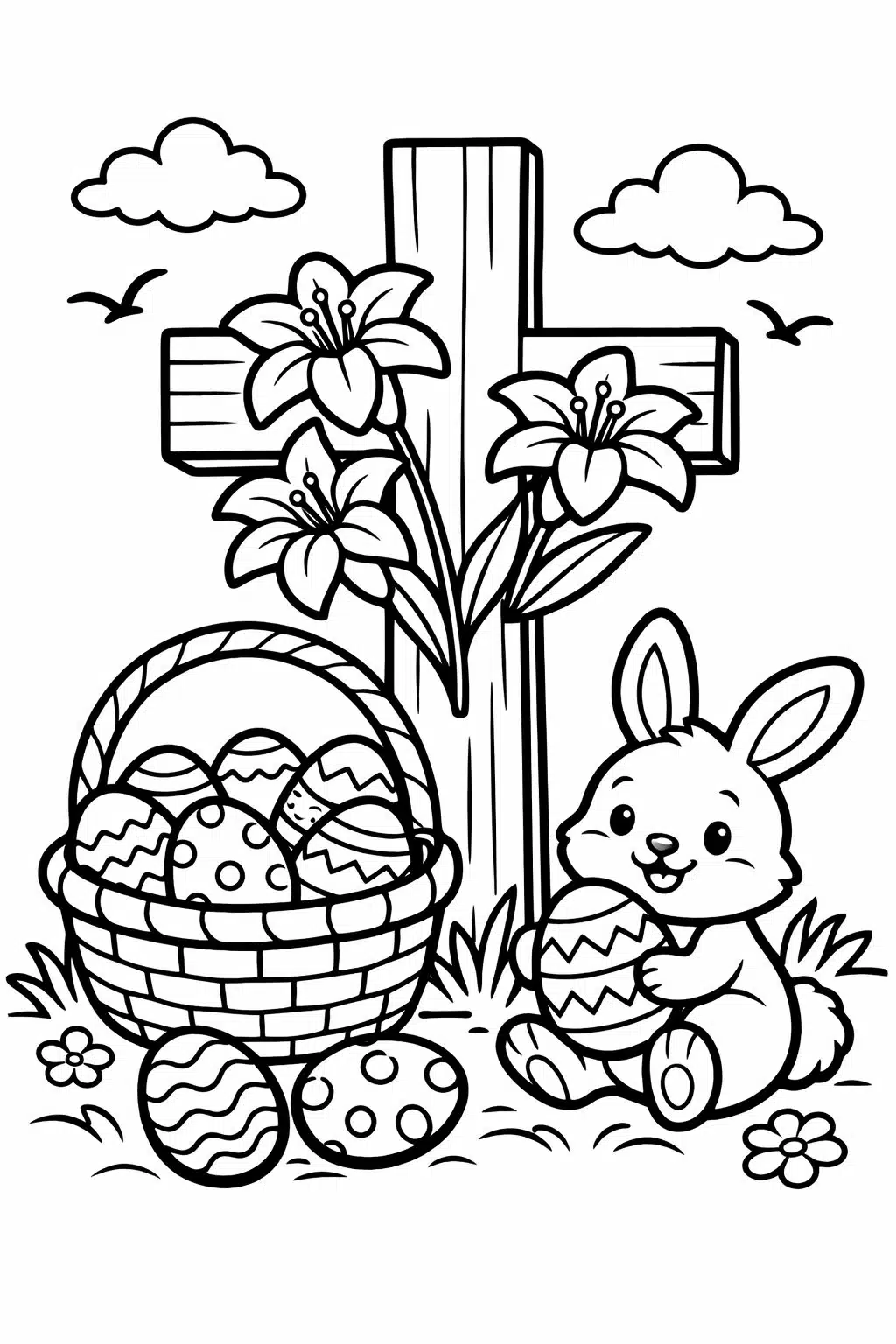
Christian Easter coloring pages for kids focus on the true meaning of Easter. They often show Jesus, the empty tomb, the cross, angels, and Bible verses. These images help children connect art with faith in a simple way.
Many pages include short scriptures that kids can read or memorize. Common themes include:
- The resurrection of Jesus
- The cross and crown of thorns
- Praying hands
- Churches and sunrise scenes
- Symbols of hope like lilies
These designs work well for Sunday school, homeschool, or family time. Teachers and parents can print them as free PDFs from many trusted websites. Most pages use clear lines and simple shapes so young children can color them with crayons or markers.
| Age Group | Best Page Types | Skill Level |
|---|---|---|
| Preschool | Large crosses, simple tomb scenes | Easy |
| Early Elementary | Jesus with disciples, angels | Moderate |
| Older Kids | Bible verses, detailed scenes | Advanced |
Coloring builds focus and fine motor skills. At the same time, it gives children space to talk about Easter and ask questions. Adults can guide short discussions while kids color, which keeps the lesson clear and age‑appropriate.
Faith-based coloring pages offer a quiet and structured activity. They support both creative expression and basic Bible learning in a format kids understand.
1) Printable Bible Scene Coloring Pages
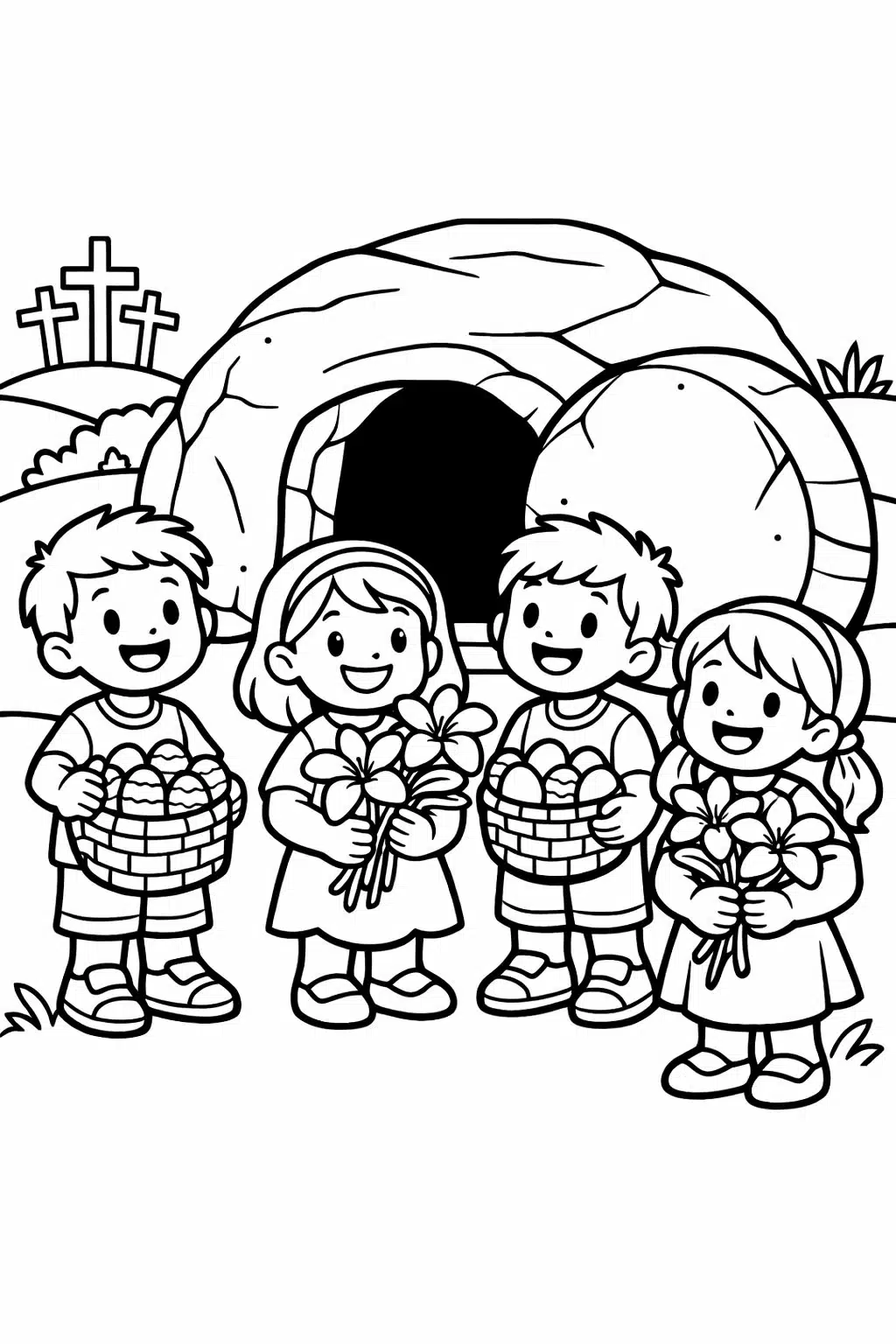
Printable Bible scene coloring pages show key Easter moments like the Last Supper, the crucifixion, and the empty tomb.
They help children see the story in clear images. Parents and teachers often use them during lessons or family devotion time.
2) Jesus Resurrection Coloring Sheets
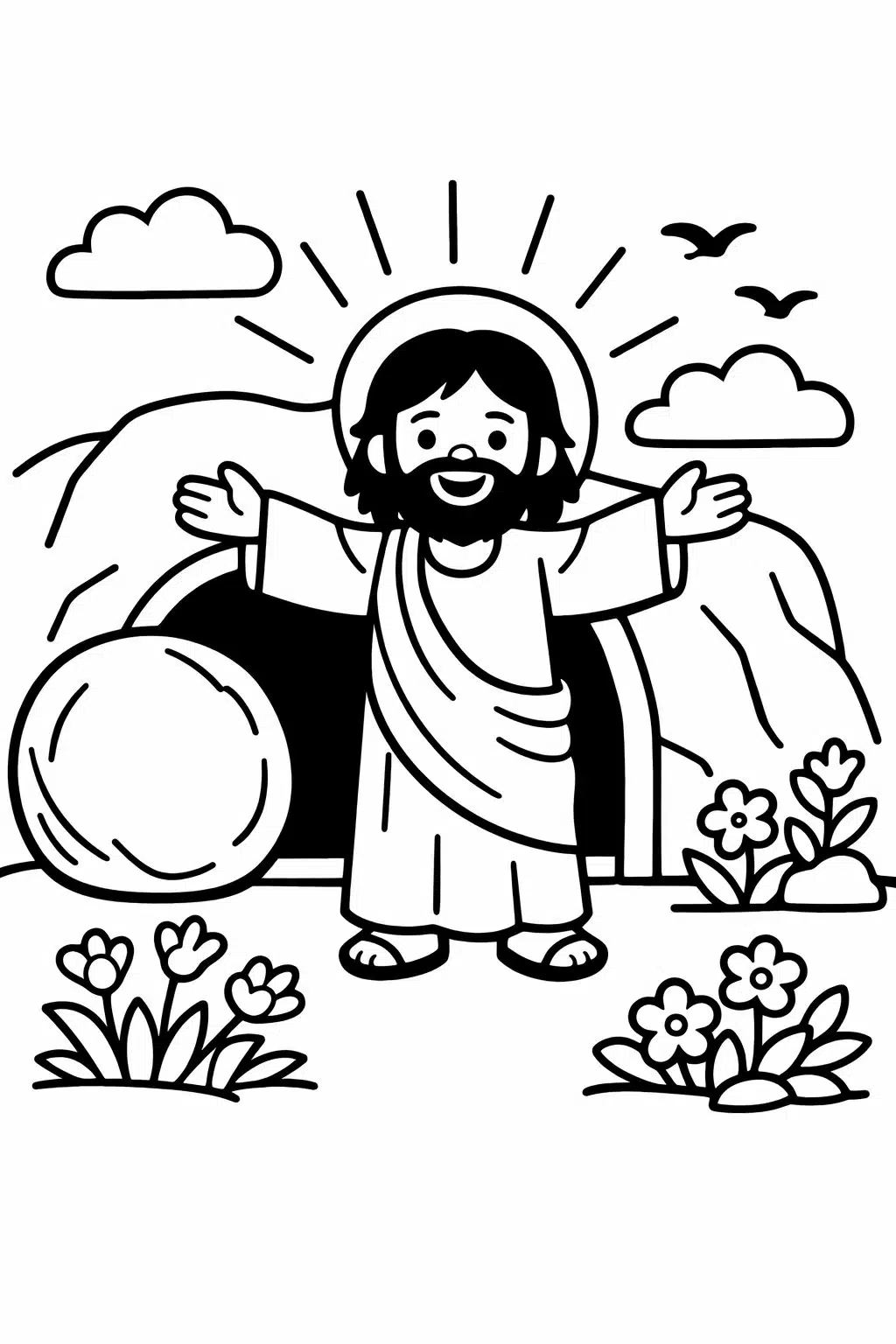
Jesus resurrection coloring sheets show the empty tomb and risen Christ. Kids color Bible verses and Easter scenes.
These pages help them learn the resurrection story in a simple way.
3) Cross and Easter Symbol Coloring Pages
📥 Enjoying these worksheets?
Download ALL worksheets in one FREE PDF bundle!
⬇️ Download Full PDF Bundle✅ Free to print | 🖨️ Print-ready PDF | 📄 All worksheets included
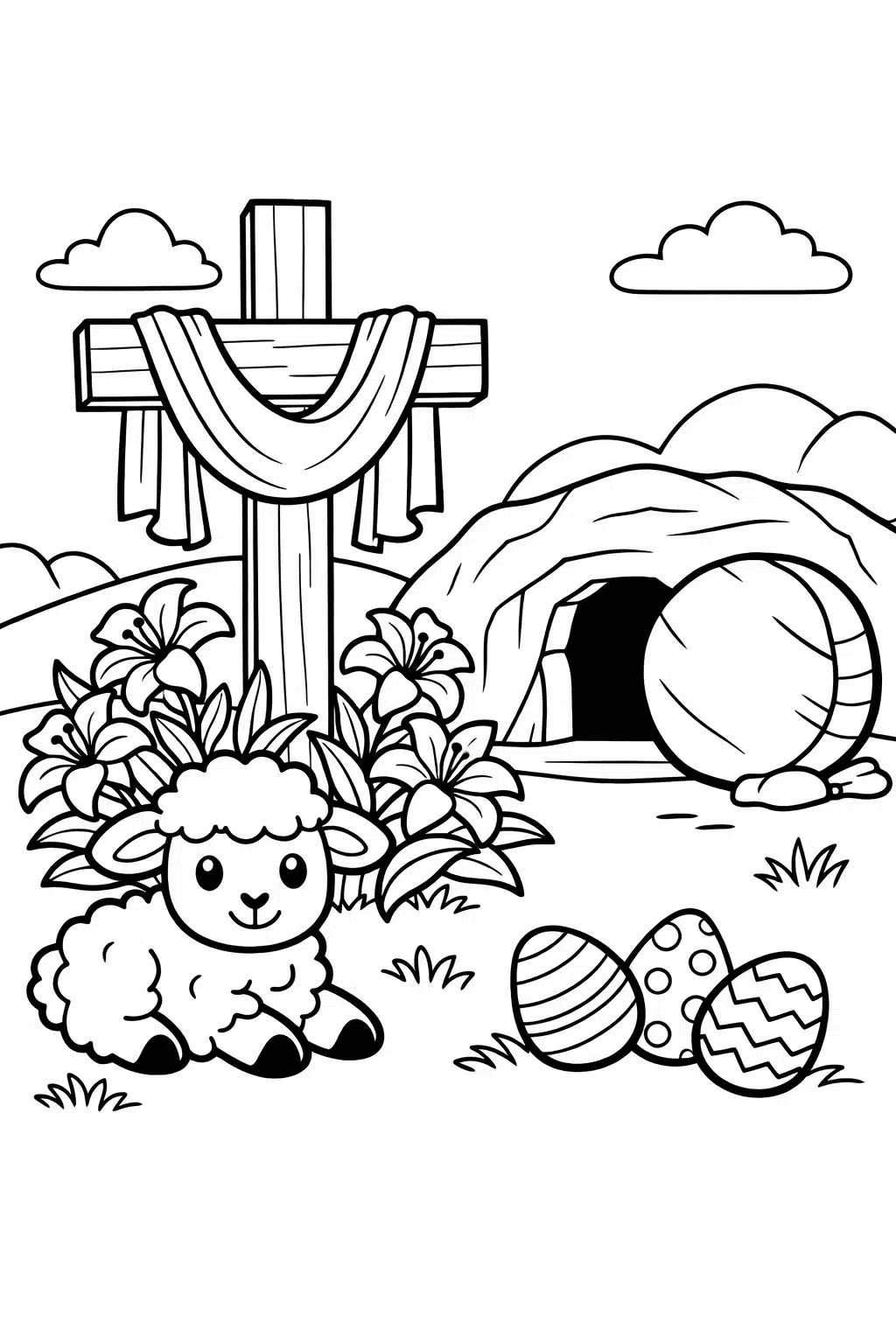
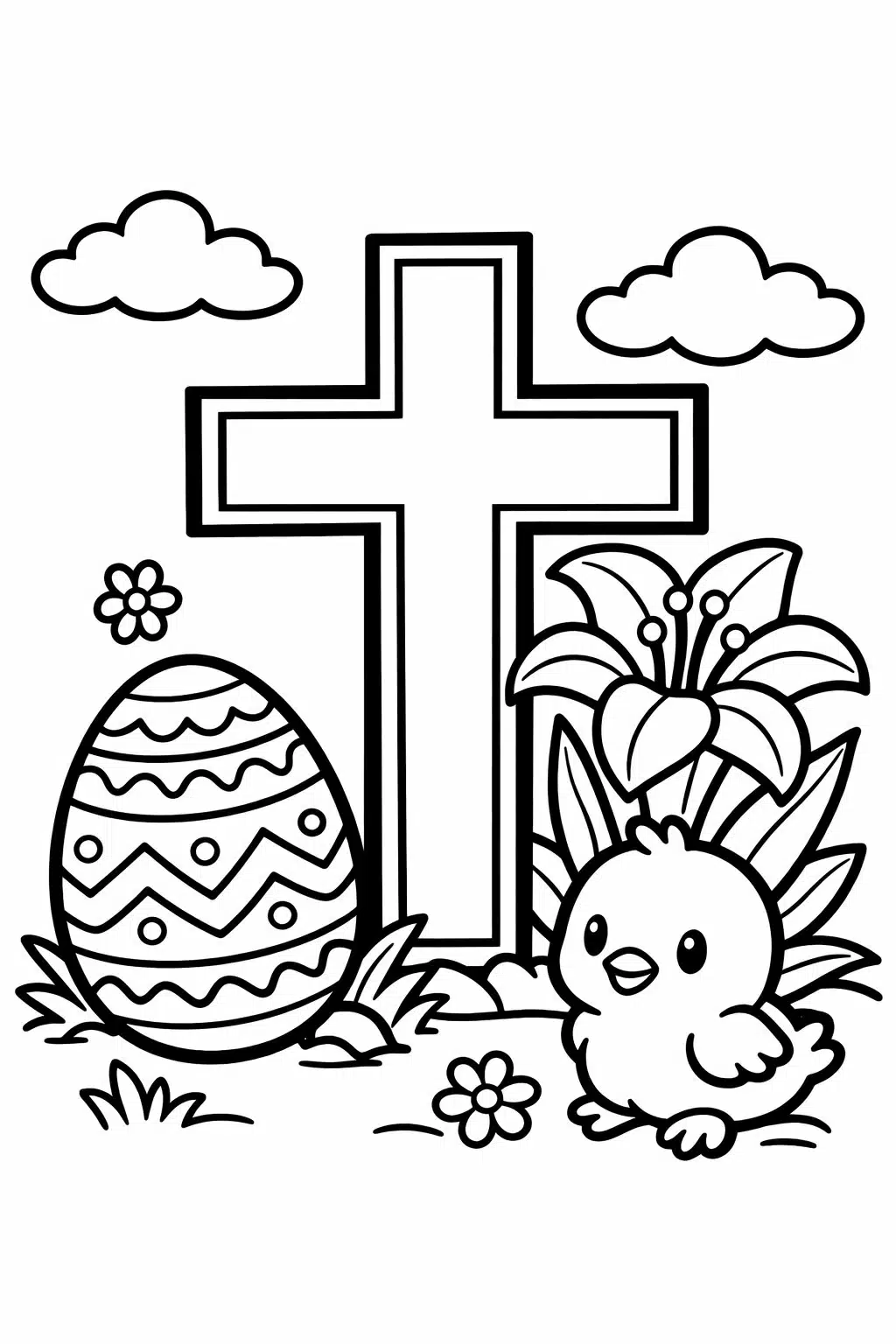
Cross coloring pages help children focus on the meaning of Jesus’ sacrifice. They often include simple outlines, stained glass styles, or scenes from the Resurrection.
Other Easter symbols include empty tombs, lilies, and scripture verses. These pages support faith lessons in homes, churches, and Sunday school classes.
4) Easter Story Coloring Pages with Scripture Verses
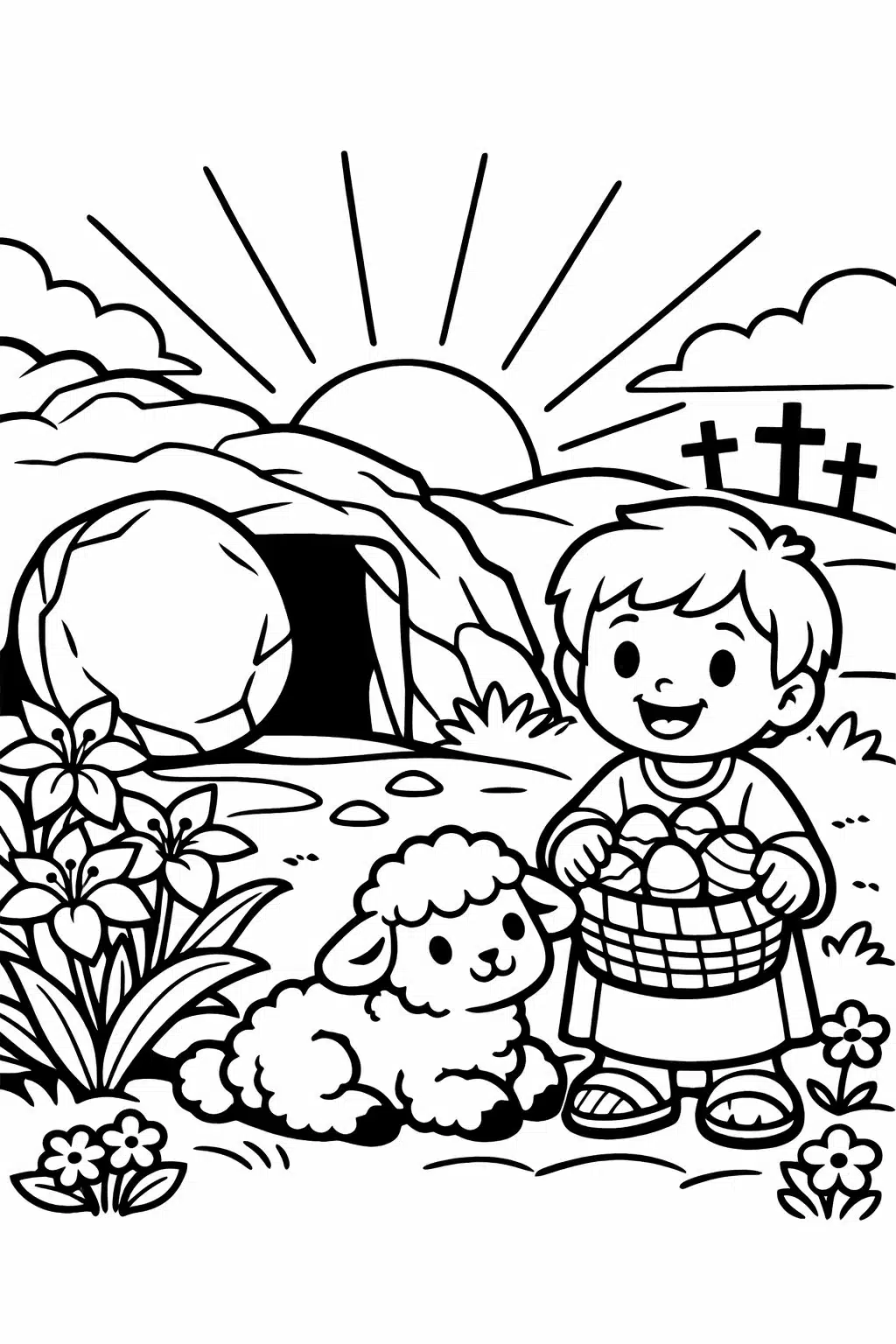
These pages show key Easter scenes with short Bible verses. They connect art and Scripture.
Images include the cross and empty tomb.
5) Christian Easter Sunday School Activity Pages
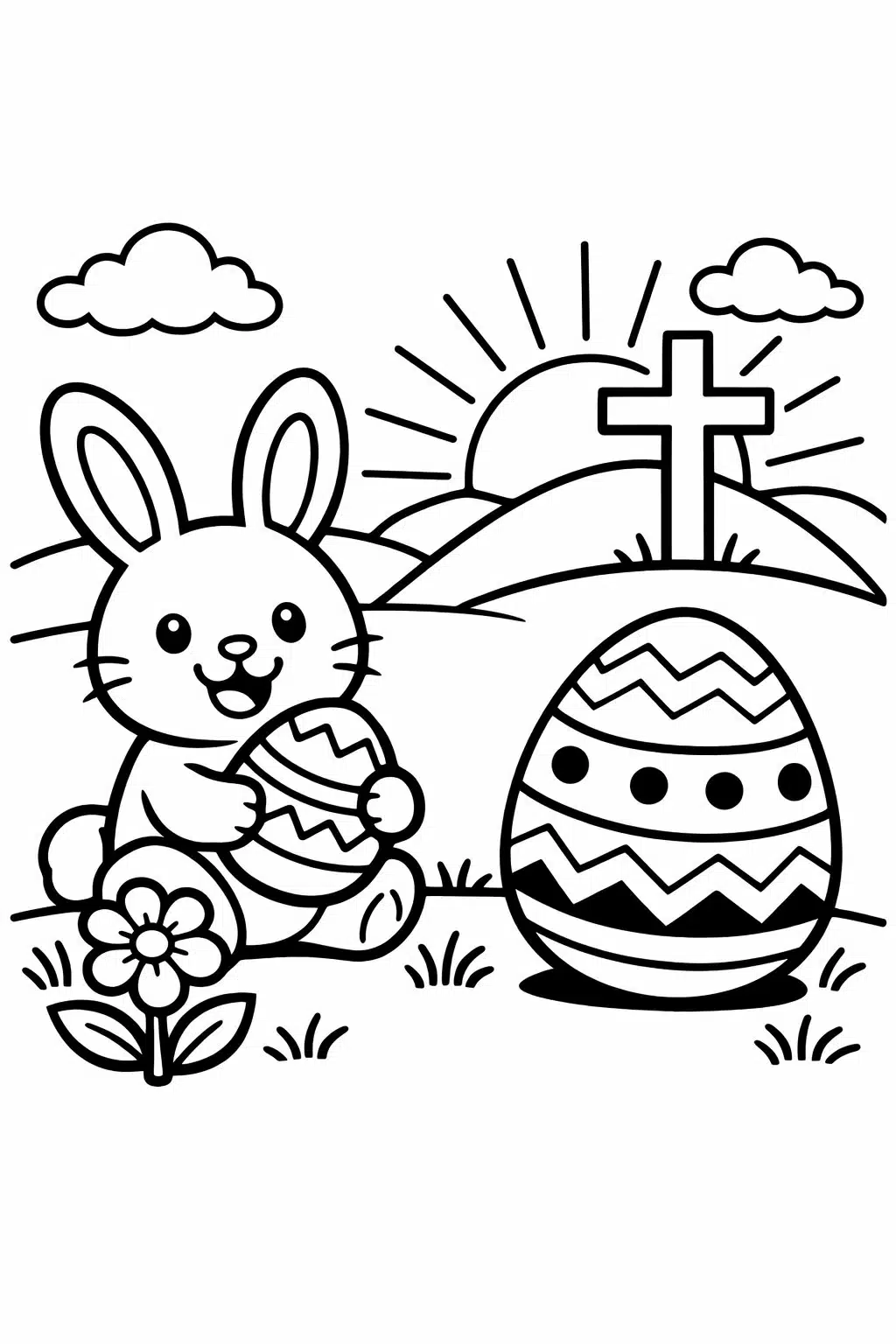
Christian Easter Sunday School activity pages help children learn Bible stories through simple tasks. They include coloring sheets, scripture tracing, and matching games.
Teachers use them in church, homeschool, or class settings. They support lesson plans and quiet reflection.
The Educational and Spiritual Benefits of Christian Easter Coloring Pages
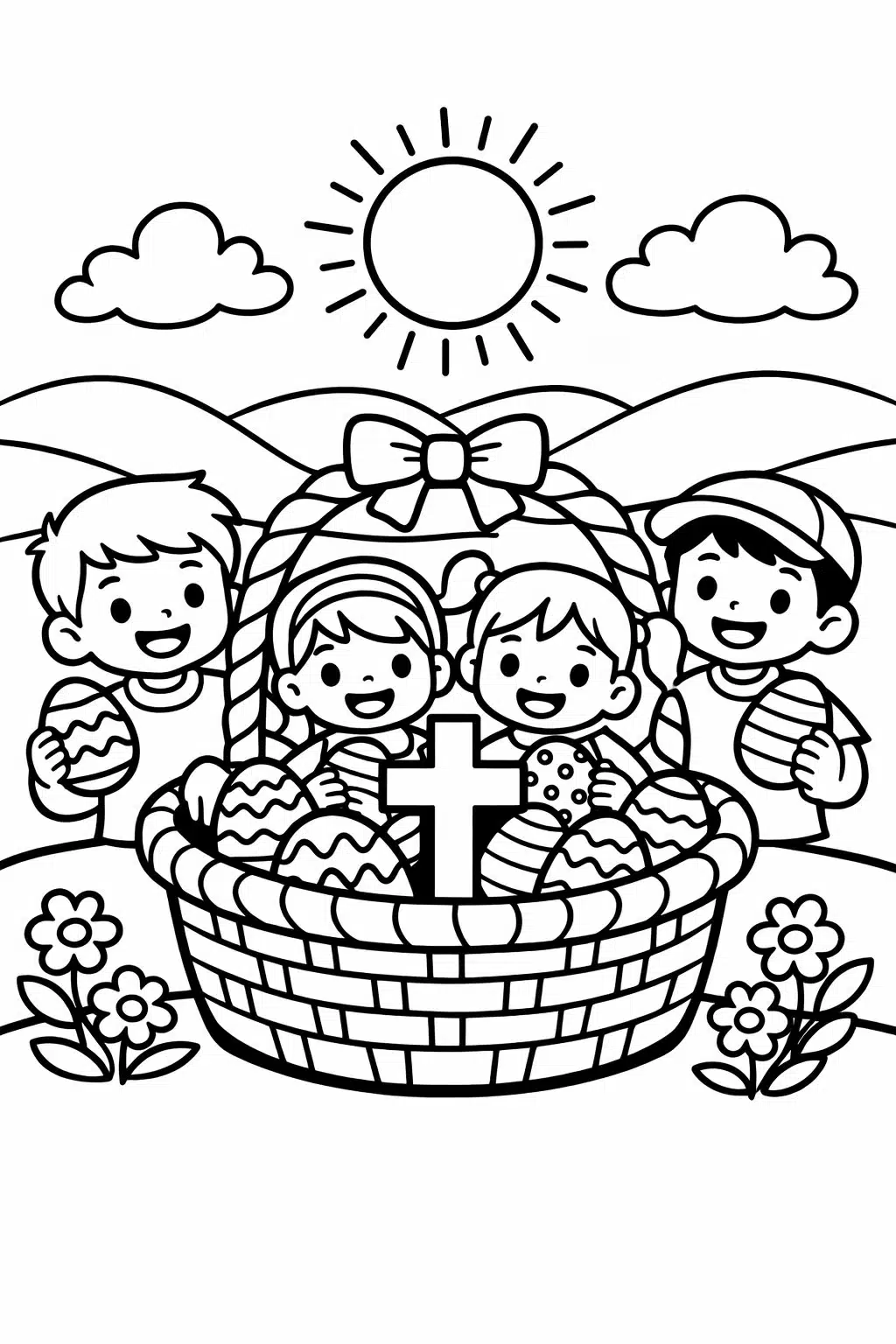
Christian Easter coloring pages help children learn key Bible events while giving them a quiet space to think. They connect art with faith in a simple and clear way.
Reinforcing Bible Stories Through Art
Coloring pages often show specific scenes such as the Last Supper, the crucifixion, the empty tomb, and the resurrection. When children color these images, they review the order of events in the Easter story.
Teachers and parents can read short Bible passages while a child colors. This method links words with pictures. It helps children remember what happened and why it matters.
Many pages also include short Bible verses. Children see and read phrases like “He is risen” or verses from the Gospels. Seeing these words on the page builds familiarity with Scripture.
Coloring also supports learning skills:
- Improves focus and attention
- Strengthens fine motor control
- Encourages careful observation of details
As children fill in crosses, churches, or scenes from the tomb, they connect visual symbols with Christian beliefs. This clear link helps them understand the meaning of Easter, not just the holiday activities.
Encouraging Reflection and Creativity
Coloring creates a calm setting. In that quiet time, children can think about Jesus’ sacrifice and resurrection in a way that fits their age.
They choose colors, decide how to shade, and add small details. This freedom supports creativity while keeping the focus on faith-based themes.
Religious Easter pages often include:
- Crosses and empty tombs
- Angels and Bible verses
- Churches and symbols of hope
As children work on these images, adults can guide short discussions. They might ask what the empty tomb shows or why the cross is important. These simple talks help children form personal understanding.
Creative work also gives children a safe way to express feelings. They may feel joy, gratitude, or curiosity about the story. Coloring gives those thoughts a quiet outlet while keeping attention on the spiritual meaning of Easter.
Tips for Engaging Children With Easter Coloring Activities
Leaders can use simple structure and clear goals to turn coloring time into a meaningful faith activity. When they match lessons and tools to a child’s age, kids stay focused and understand the Easter message better.
Incorporating Coloring Into Sunday School Lessons
Teachers can connect each coloring page to a specific Bible passage. For example, they might read about the Last Supper, the crucifixion, or the resurrection before handing out a related page.
They should keep the Bible reading short, about 5–10 minutes. After reading, they can ask 2–3 clear questions such as:
- Who was in this story?
- What did Jesus do?
- Why is this important at Easter?
Children can color while the teacher walks around and talks with them. This allows quiet, one-on-one discussion.
Leaders can also use coloring pages as part of a simple lesson plan:
- Short Bible reading
- Brief discussion
- Coloring activity
- Closing prayer
This structure works well in Sunday School, homeschool, or church classrooms. It keeps the focus on the meaning of Easter while giving children time to reflect.
Age-Appropriate Coloring Techniques
Children need tools and designs that match their motor skills and attention span. Younger children, such as preschoolers, do best with large images, thick outlines, and fewer details.
They should use crayons or washable markers that are easy to grip. Teachers can encourage them to name the objects in the picture, such as the cross or the empty tomb, to build understanding.
Older children in grades 1–5 can handle smaller details and Bible verses on the page. They may prefer colored pencils for more control. Teachers can guide them to:
- Highlight key words in a verse
- Write one sentence about the scene
- Add simple backgrounds like a sunrise
Clear instructions help children stay focused. When adults match the design and tools to the child’s age, kids enjoy the activity and better remember the Easter story.