
Helping children learn the alphabet takes clear practice and simple tools. Free uppercase and lowercase letter tracing worksheets give them a structured way to build strong handwriting skills from the start. These printables support early learners as they form letters, improve control, and grow more confident with each page.
They can download and use these free tracing worksheets to help children practice both capital and lowercase letters in one simple resource. The article explores complete A–Z tracing pages, dotted line printables, and helpful tips for preschool and kindergarten use. It also explains how these worksheets support early writing and letter recognition at home or in the classroom.
FREE Uppercase and Lowercase Letter Tracing Worksheets!
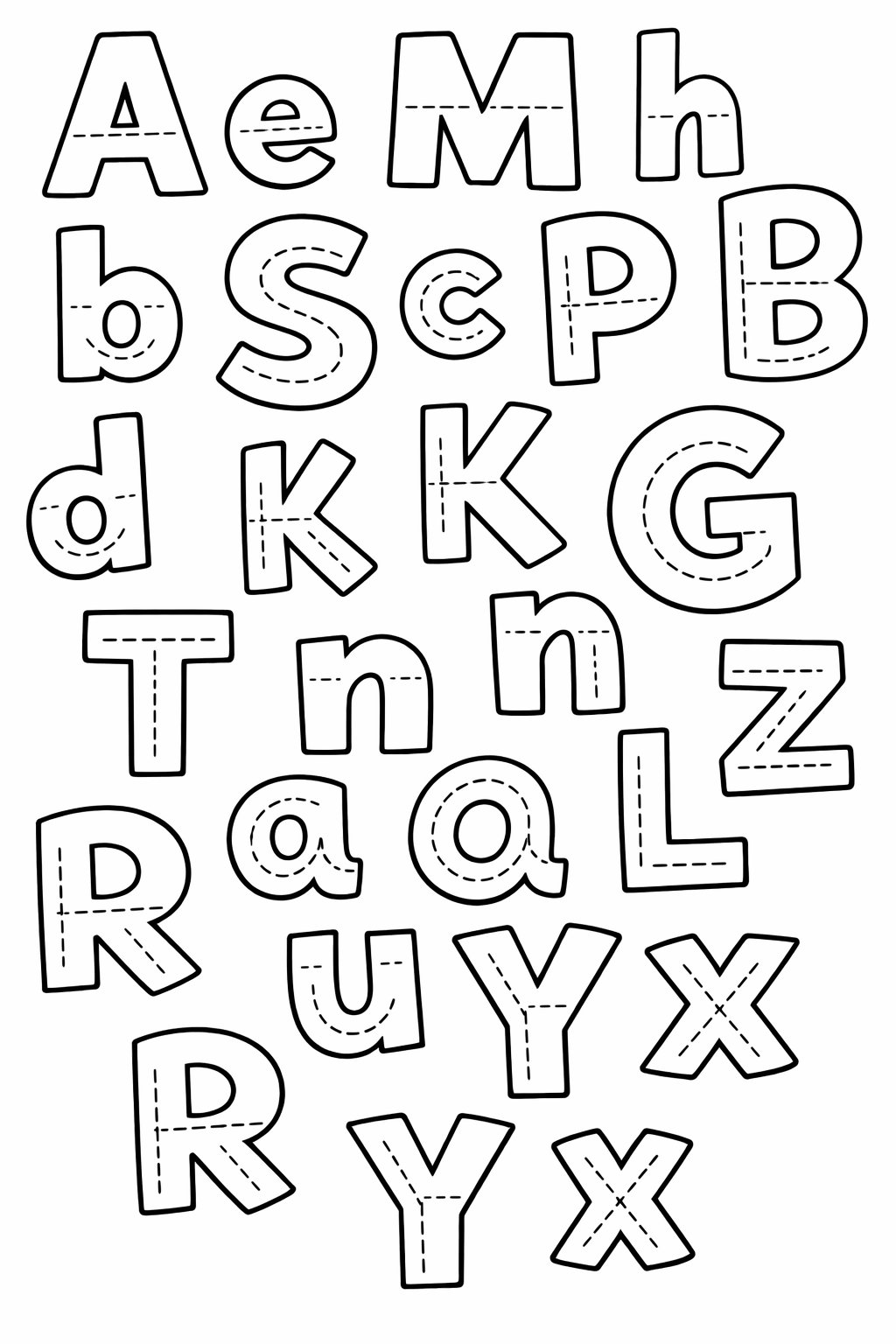
These free uppercase and lowercase letter tracing worksheets help children practice writing from A to Z. Each page focuses on clear letter formation. Students trace both capital and small letters.
Most worksheets include dotted letters and guiding lines. These lines help children control pencil movement and size. Some pages also add simple pictures or words that match the letter sound.
What these worksheets often include:
- A–Z uppercase tracing
- A–Z lowercase tracing
- Guided handwriting lines
- Space for independent practice
- Print-ready PDF format
Teachers and parents can use them in preschool or kindergarten settings. They work well for morning work, homework, or small group practice. Many sets place one letter per page, while others fit the full alphabet on one sheet for quick review.
| Skill Practiced | How Tracing Helps |
|---|---|
| Letter recognition | Children see and repeat each letter |
| Fine motor control | Tracing builds hand strength |
| Proper letter formation | Guides show correct stroke direction |
| Early reading readiness | Links letters to sounds and words |
Children should trace slowly and say the letter name aloud. After tracing, they can try writing the letter on their own.
These worksheets provide simple, structured practice that supports early handwriting development.
1) A-Z Complete Letter Tracing Sheets with Uppercase and Lowercase Letters
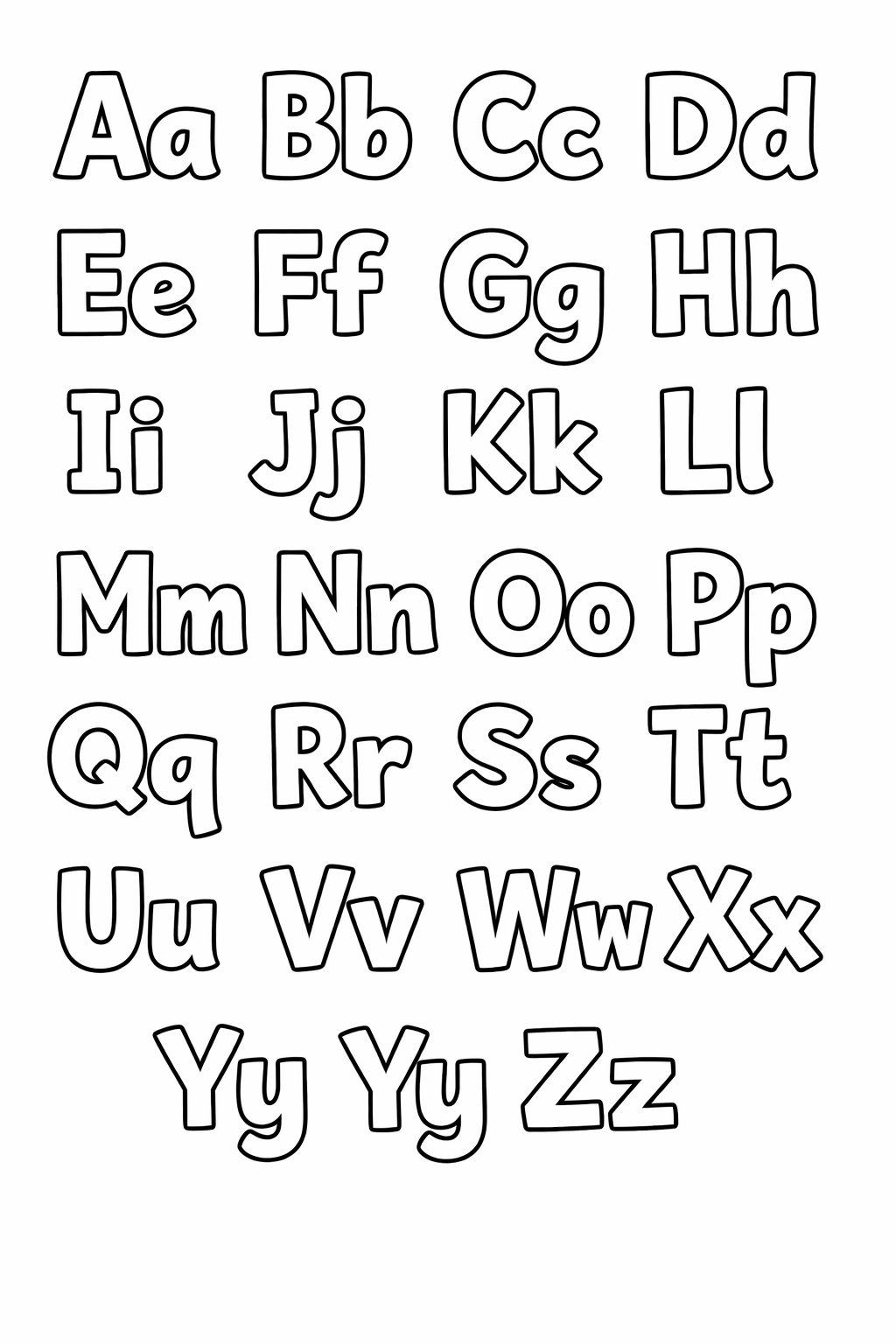
These sheets cover letters A to Z on full pages.
Students trace uppercase and lowercase forms together.
They build letter recognition and proper formation.
2) Printable Alphabet Tracing Worksheets with Dotted Lines
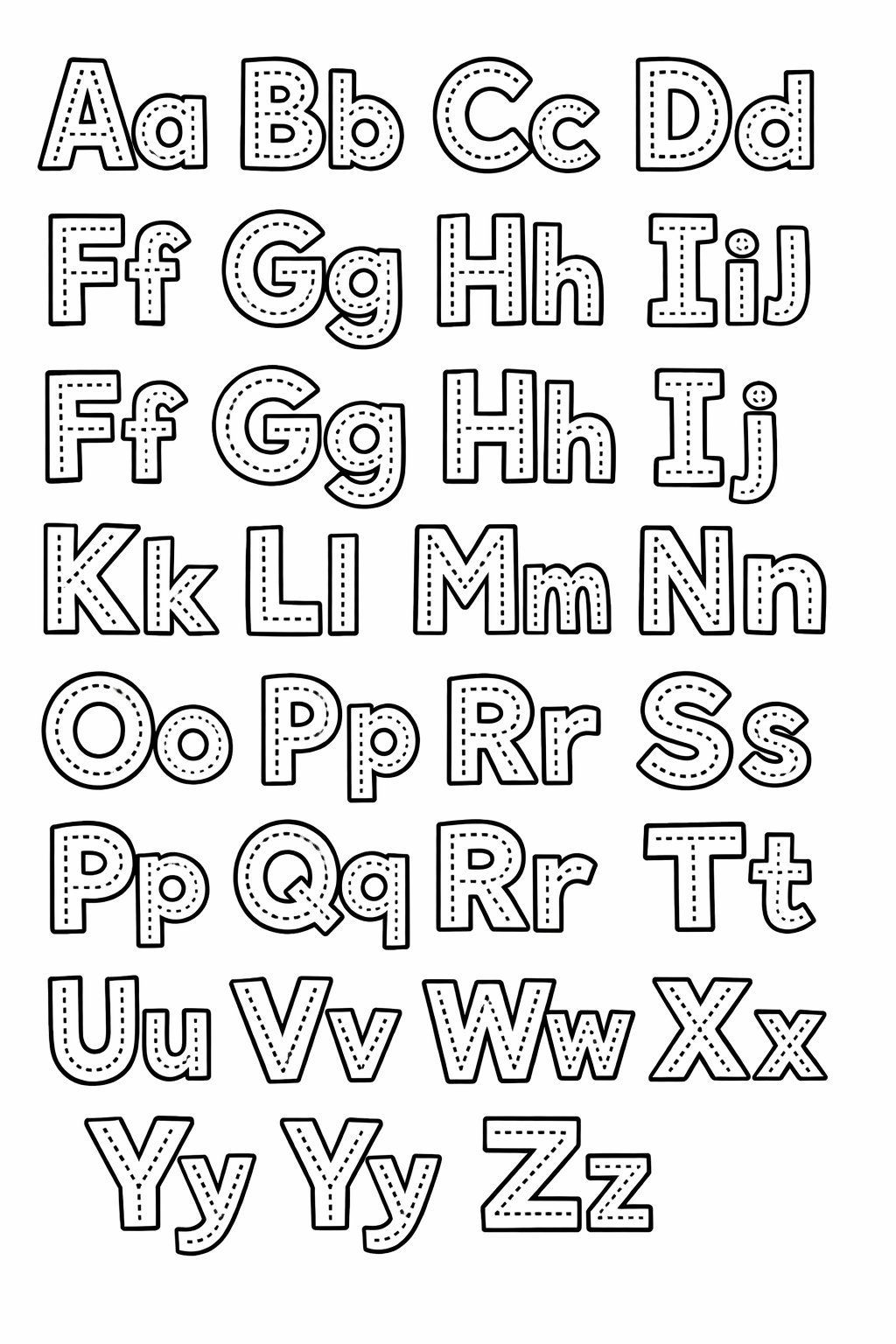
Printable alphabet tracing worksheets with dotted lines help children form letters correctly. They guide both uppercase and lowercase practice.
Clear dots and simple lines show where to start and stop. Children build control and letter recognition with steady tracing.
3) The Craft-at-Home Family’s Free Letter Tracing Bundle
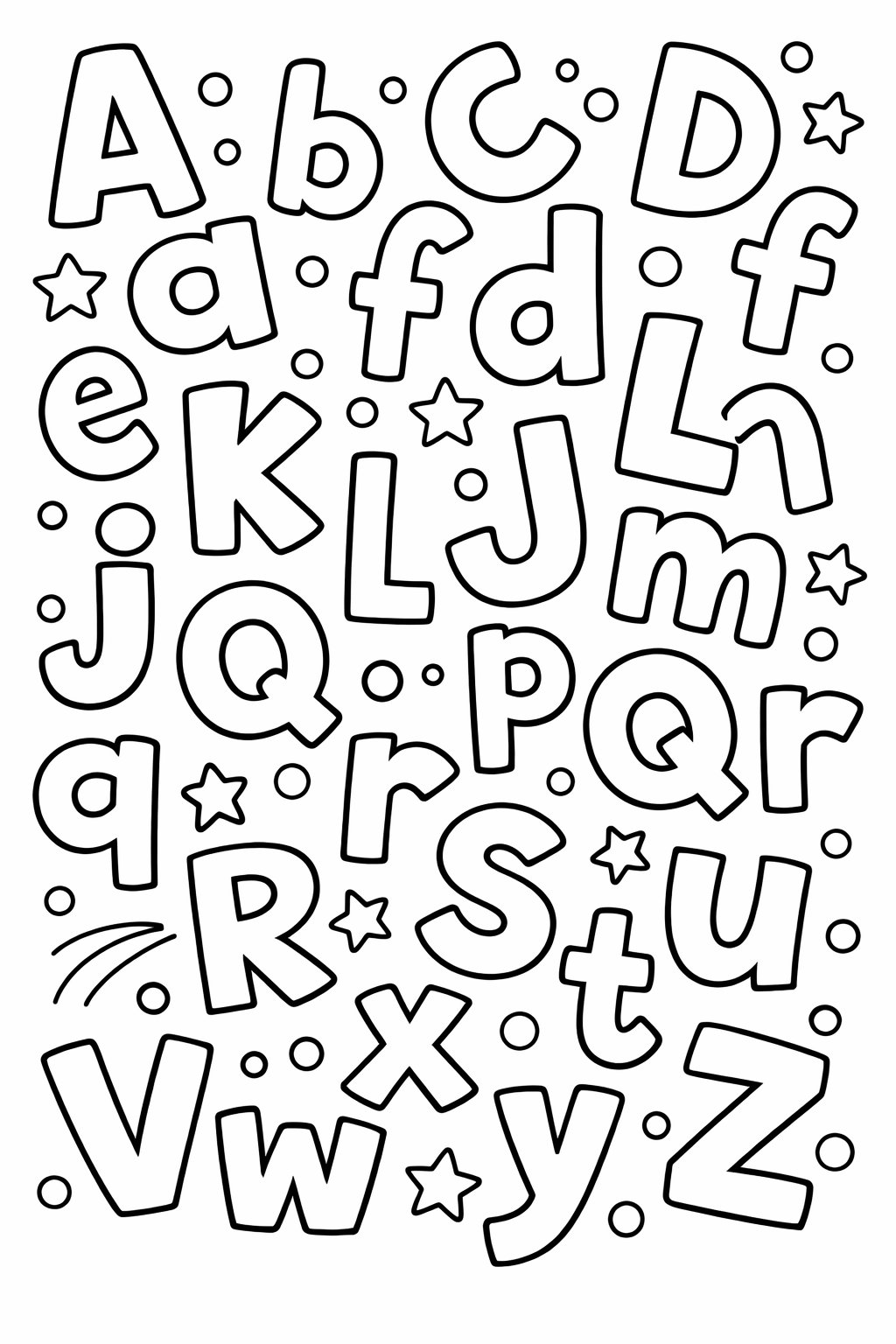
The Craft-at-Home Family offers free printable uppercase and lowercase tracing worksheets. The bundle supports early handwriting practice at home or in class.
Each page gives letter outlines for guided tracing.
4) Early Learner Handwriting Practice Sheets for Uppercase Letters
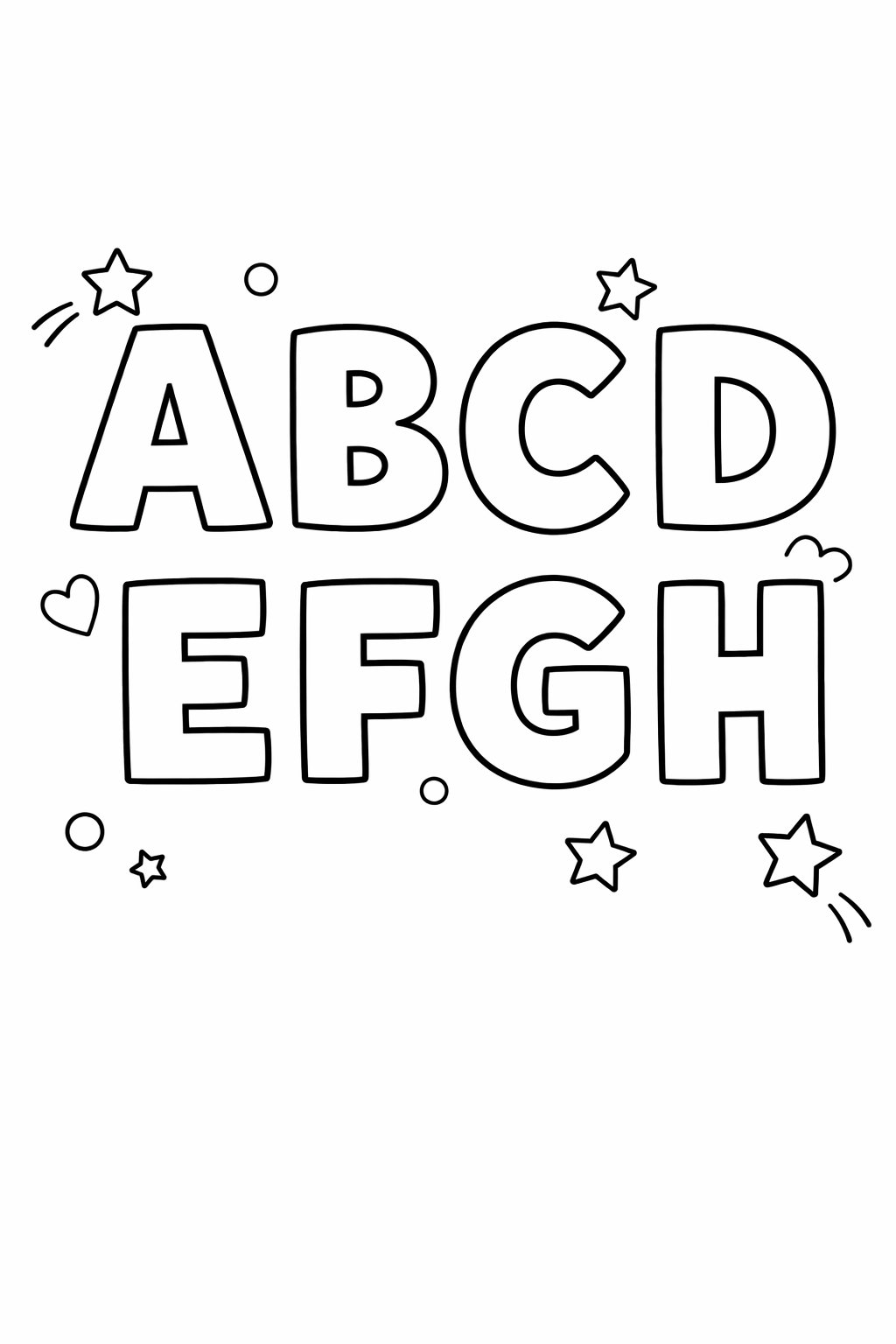
Early learners build control by tracing uppercase letter guides. Each page shows bold outlines.
They repeat strokes to strengthen fine motor skills. Simple layouts support correct formation.
5) Preschool and Kindergarten Letter Tracing Printables
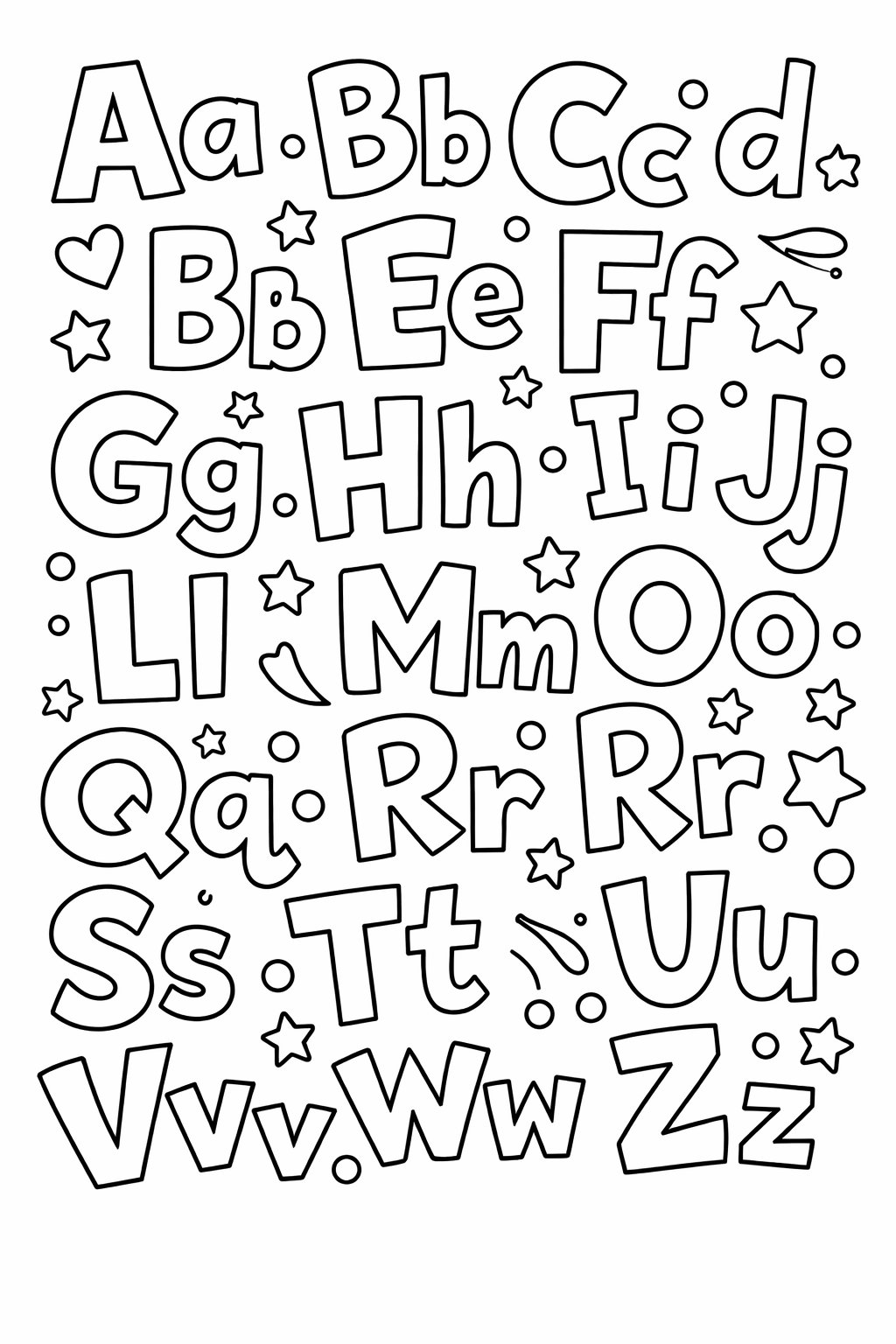
Preschool and kindergarten letter tracing printables build early writing skills. They help children practice uppercase and lowercase letters.
Students trace dotted lines with pencils or crayons. This practice supports letter recognition and fine motor control.
Benefits of Uppercase and Lowercase Letter Tracing Worksheets
Uppercase and lowercase letter tracing worksheets give children clear steps for forming each letter. They build hand control and support early reading and writing skills through steady, guided practice.
Enhancing Fine Motor Skills
Children strengthen small hand muscles each time they trace a letter. They grip a pencil, follow dotted lines, and control movement from start to finish. These actions build hand strength and improve coordination.
Tracing worksheets often include bold outlines and guided lines. These visual cues help children stay within boundaries and form letters with the correct size and shape. Over time, their strokes become smoother and more accurate.
Consistent tracing also improves:
- Pencil grip
- Hand-eye coordination
- Control of pressure on paper
- Letter size and spacing
When children practice both uppercase and lowercase letters, they adjust their movements for different shapes and heights. This variety challenges their hands in new ways and builds stronger motor control for daily writing tasks.
Boosting Early Literacy Development
Tracing letters helps children connect letter shapes with letter names. As they trace, they see the form of each uppercase and lowercase letter clearly. This repeated exposure supports letter recognition.
Many worksheets present letters from A to Z in a structured format. This order helps children learn the alphabet in a clear sequence. It also gives them regular review as they move from one letter to the next.
Letter tracing supports early literacy by helping children:
- Recognize both capital and small letters
- Remember correct letter formation
- Prepare for writing simple words
- Build confidence in early writing tasks
When children practice writing letters correctly, they feel more prepared to read and spell. Clear letter formation reduces confusion between similar letters, such as b and d. Steady tracing practice builds a strong base for future reading and writing work.
Tips for Using Letter Tracing Worksheets Effectively
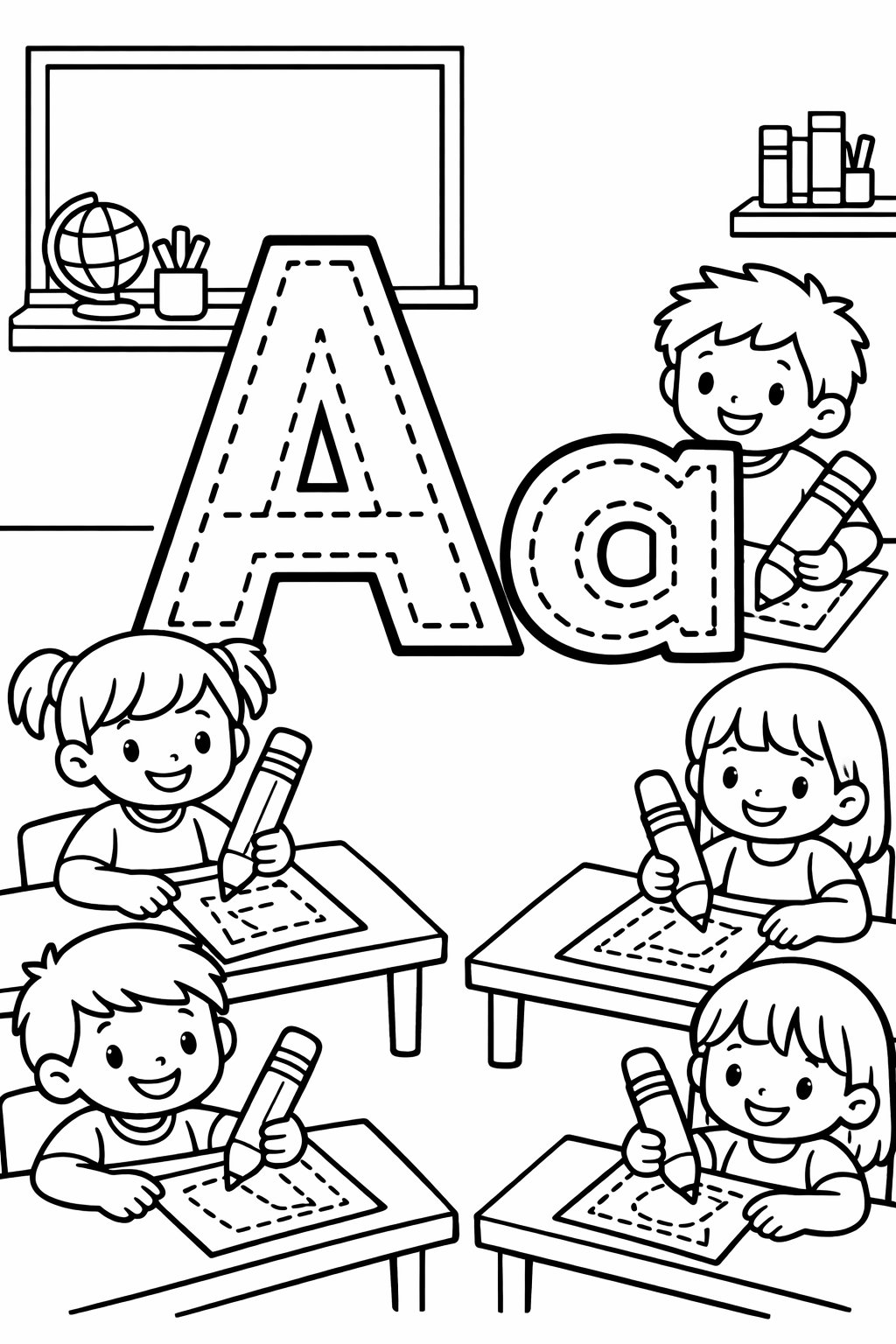
Parents and teachers get better results when they use tracing worksheets with clear structure and simple goals. Short practice times and steady encouragement help children build strong letter habits without stress.
Incorporating Worksheets Into Daily Routines
Children learn letters best with short, steady practice. Set aside 10–15 minutes a day for tracing. Morning table work or a calm time after lunch works well.
Focus on 3–5 letters at a time instead of the whole alphabet. This keeps practice clear and manageable. Review old letters before adding new ones.
Use a simple routine:
- Say the letter name.
- Say the letter sound.
- Trace uppercase.
- Trace lowercase.
- Write the letter without tracing.
Keep materials ready in one spot. Store printed worksheets, pencils, and crayons in a small bin. Easy access saves time and builds consistency.
Watch how the child holds the pencil. Encourage a steady grip and slow strokes. Remind them to follow arrows or dotted lines if the worksheet includes them. Correct form matters more than speed.
Motivating Young Learners
Children respond well to clear goals and praise. Set small targets, such as finishing one page or tracing a row neatly. Offer specific feedback like, “You stayed on the line.”
Add simple choices to build interest. Let the child:
- Pick the letter to trace.
- Choose a pencil color.
- Select a worksheet with pictures to color.
Connect letters to real words. After tracing “B,” name words like ball or book. This helps the child link writing to real life.
Track progress in a visible way. Use a sticker chart or mark completed letters on an A–Z list. Seeing progress builds confidence.
Keep sessions positive. If the child feels tired or frustrated, stop and return later. Short, calm practice builds stronger skills than long, stressful lessons.